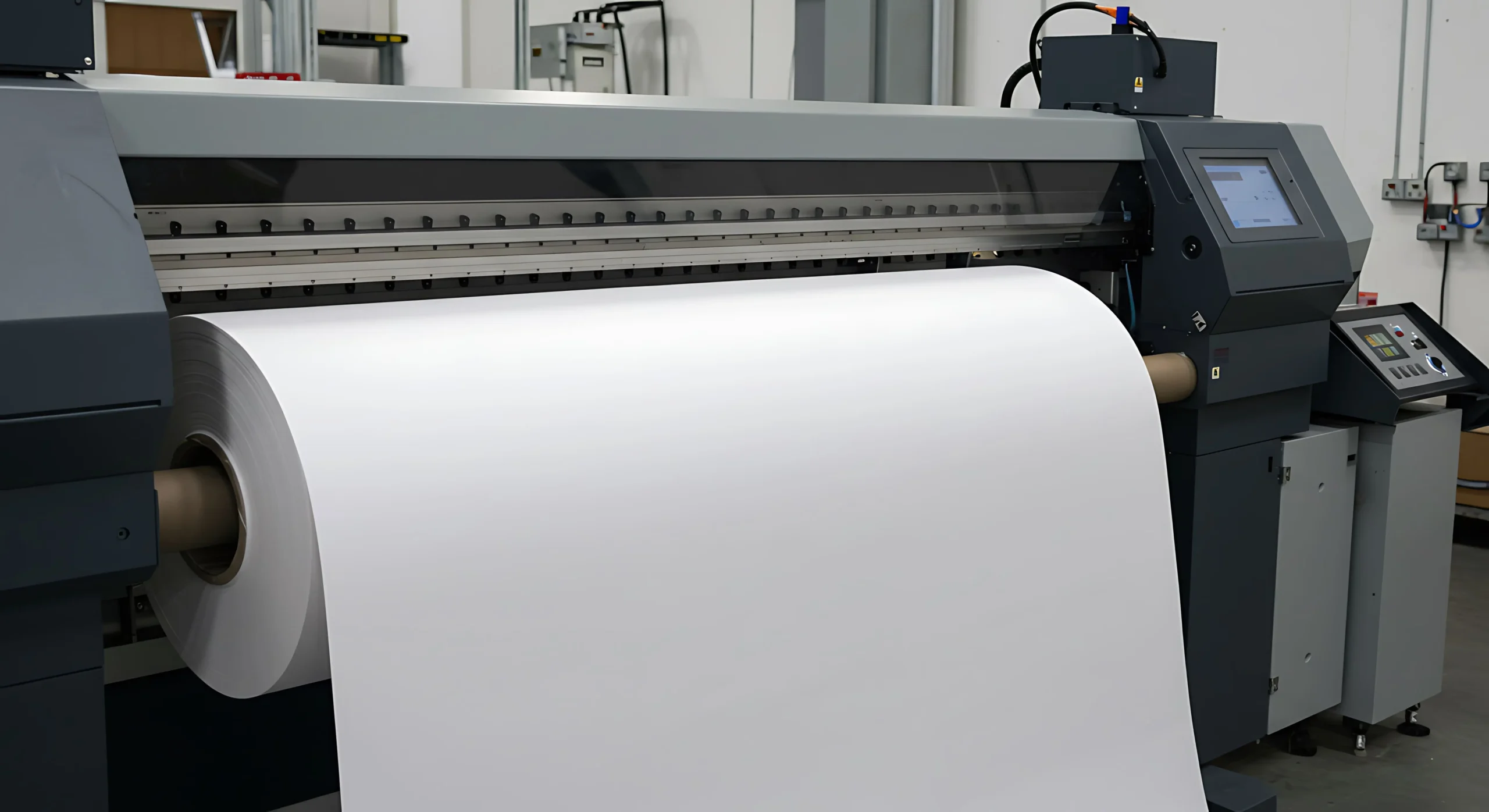
Printing has come a long way from traditional presses to innovative modern technologies. Whether you are a business owner, designer, or hobbyist, understanding the different printing methods can help you achieve exceptional results for your projects. In this ultimate guide, we’ll explore the most popular modern printing techniques and their unique applications.
-
Offset Printing
Offset printing is one of the oldest yet highly reliable printing methods. It works by transferring an inked image from a plate to a rubber blanket, then onto the printing surface. Known for its precision and consistency, offset printing is ideal for large-volume projects like brochures, magazines, and packaging. This method ensures high-quality, sharp images with vibrant colors, making it a staple in commercial printing.
-
Digital Printing
Digital printing has revolutionized the printing industry by offering fast, cost-effective solutions for smaller print runs. Unlike offset printing, it doesn’t require plates. Images are sent directly from a computer to the printer, allowing for quick turnaround and easy customization. Digital printing is perfect for personalized marketing materials, business cards, flyers, and short-run projects.
-
Flexography Printing
Flexography printing uses flexible plates and fast-drying inks, making it suitable for packaging materials, labels, and corrugated boxes. Its ability to print on a wide range of substrates, including plastic, metallic films, and paper, makes it a versatile choice for businesses looking to enhance brand packaging.
-
Screen Printing
Screen printing is a technique where ink is pushed through a fine mesh stencil onto the printing surface. This method is popular for textiles, posters, and promotional items. Screen printing allows for bold colors and durability, making it ideal for t-shirts, banners, and custom merchandise.
-
Gravure Printing
Gravure printing involves engraving the image onto a cylinder, which is then used to transfer ink onto paper or other materials. This technique delivers high-quality, detailed images and is commonly used for high-volume printing such as magazines, catalogues, and packaging with intricate designs.
-
3D Printing
While traditional printing focuses on flat surfaces, 3D printing creates three-dimensional objects layer by layer. This technology is transforming industries like manufacturing, prototyping, and healthcare. From custom products to functional prototypes, 3D printing allows for creative freedom and precise designs that were once impossible with conventional methods.
-
UV Printing
UV printing uses ultraviolet light to cure inks directly onto a surface. This technique allows for printing on almost any material, including glass, metal, wood, and plastic. UV printing is fast, eco-friendly, and produces vibrant, long-lasting results, making it a preferred choice for modern signage, promotional products, and creative packaging.
Choosing the Right Printing Technique
Selecting the right printing method depends on your project requirements, budget, and desired outcome. Whether it’s large-scale offset printing for brochures, digital printing for customized items, or 3D printing for innovative prototypes, understanding each technique ensures your final product stands out.
Modern printing has never been more versatile, allowing businesses and creatives to bring their ideas to life with exceptional quality and efficiency. By exploring these techniques, you can elevate your designs and make a lasting impression on your audience. For professional Printing Services in Kerala, consider partnering with experts who can guide you through the best printing options for your project.
Leave a Reply